Landing and Going Straight to a Meeting? Dress for Both in One Outfit

Quick Answer: Wear travel-comfortable pieces on the bottom and a structured, wrinkle-resistant layer on top, then plan two swaps you can do in five minutes: shoes and a top or scarf. A ponte or knit blazer, a wrinkle-resistant trouser or ponte legging, and a shoe change carry an outfit from a six-hour flight to a meeting without a hotel stop.
The mistake almost everyone makes is trying to find one outfit that’s genuinely both. There isn’t one. What works is an outfit that’s 80% shared and has two fast, high-impact changes.
Which layer does the work?
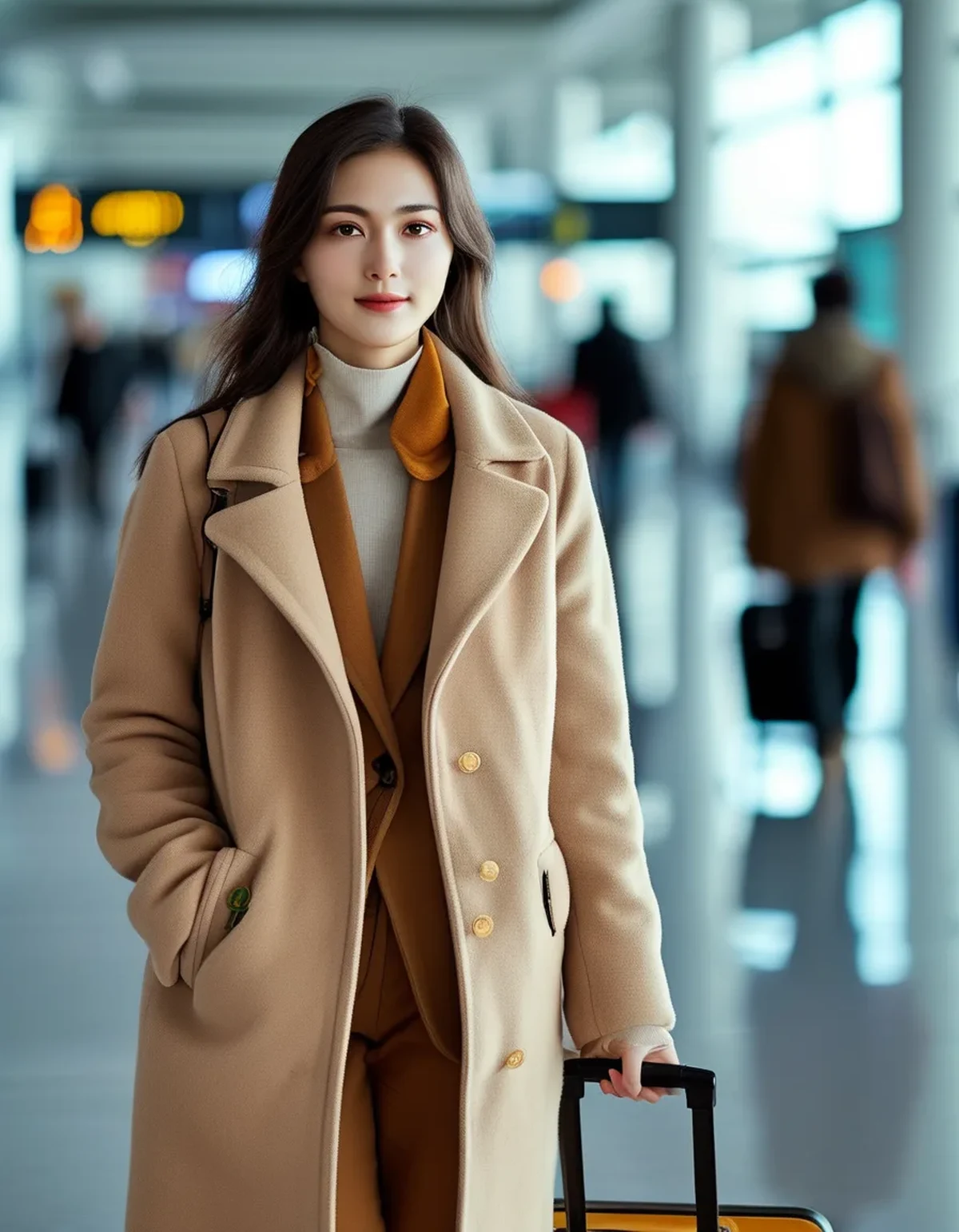
The top layer decides whether you read as travelling or as arriving. Everything else is negotiable.
A structured shoulder is what the eye registers as put-together, and it’s the single piece that survives a flight worst if you choose the wrong fabric. Ponte, double-knit, or a technical blend with some stretch will come out of a seat looking almost the same as it went in. Linen and unlined cotton will not - they crease within an hour and don’t recover.
What to look for:
- Some elastane content (3-8%) - it’s what lets the fabric spring back
- A knit rather than a woven, in a weight heavy enough to hang
- Dark or mid-tone solid, which hides both creasing and whatever the seatback does to it
How to treat it in flight: don’t sit in it. Take it off before you sit down, fold it inside out over the seat in front or across your bag, and put it back on twenty minutes before landing. A jacket that spent the flight folded flat looks better than one that spent it compressed against a seatback.
What should you actually wear on the bottom?
Bottoms are where comfort matters most and where nobody is looking closely.
The reliable options, ranked by how well they hold up:
- Ponte trousers or a thick technical knit - genuinely wrinkle-proof, reads as tailored, comfortable for six hours
- Wide-leg trousers in a crepe or technical fabric - the volume hides sitting creases; check they don’t drag on airport floors
- A thick, opaque legging in a tailored colour with a longer top layer - comfortable, but only works if the top half does heavy lifting
- Straight-leg dark denim - fine for a smart-casual meeting, less so for a formal one, and it holds cabin cold badly
What to avoid: anything unlined and light-coloured, anything with a fixed crease, and anything with a waistband that only works standing up. Cabin pressure means most people swell a little, and a waistband that’s snug at the gate is genuinely uncomfortable by hour four.
One detail worth checking: pockets that gape. A flat front with no gaping is what separates travel trousers that look tailored from ones that don’t.
The two swaps that change everything
Five minutes in an airport bathroom, two items from the top of your bag.
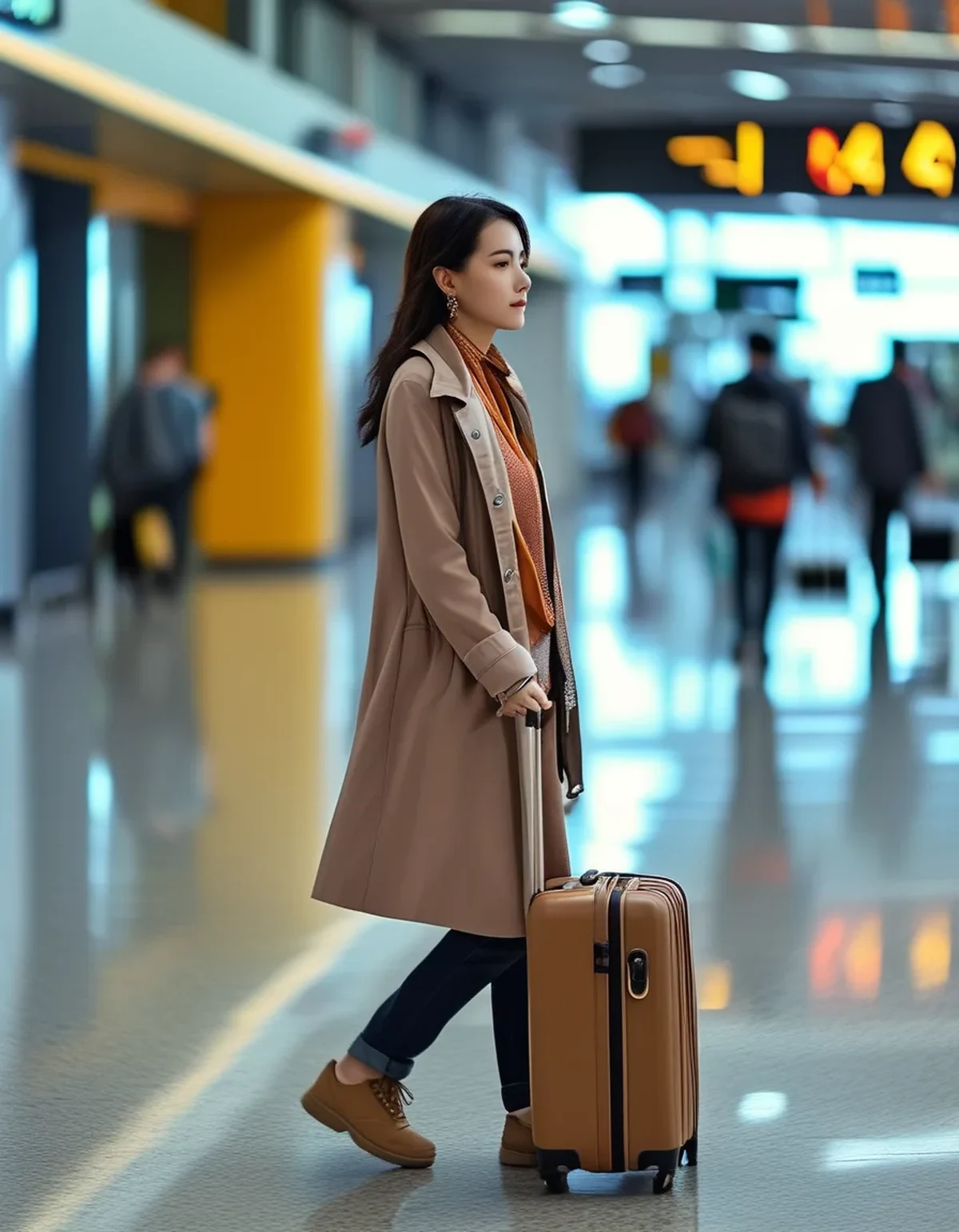
Swap 1: Shoes. This is the highest-leverage change available. Travel in the comfortable pair - a clean sneaker or a soft flat - and carry the meeting pair. A low block heel or a polished loafer changes the reading of the entire outfit more than any other single item. Pack them in the outer pocket, not buried, or you won’t do it.
Swap 2: The top or the neckline. Fly in a soft tee or a knit; change into a silk-feel shell, or add a scarf. If you’d rather not change tops at all, a scarf tied at the neck does about 70% of the work for 5% of the effort.
Optional third swap: jewellery. One pair of earrings and a watch, kept in a small pouch. It weighs nothing and reads as deliberate.
Do the swaps before baggage claim, not after. The bathrooms before the exit are quieter, and you avoid arriving at the meeting having changed in a taxi.
5 Mistakes Everyone Makes on a Fly-and-Meet Day
1. Dressing for the meeting on the plane. Six hours in the full outfit means you arrive in a creased version of it. Travel in the comfortable configuration and assemble at the end.
2. Packing the swap items in checked luggage. If the bag doesn’t arrive, the outfit doesn’t either. Everything you’re changing into goes in the carry-on, always.
3. Ignoring the temperature swing. Terminals are hot, cabins are cold, and destination weather in late summer to early autumn can be anything. The jacket solves this - but only if you actually wear it as a layer rather than treating it as decoration.
4. Wearing new shoes for the meeting pair. You will walk further from the taxi than you expect. Break them in first, and this is the mistake that ruins the most otherwise-good plans - a blister at minute ten changes how you carry yourself for the whole meeting.
5. Skipping the five-minute buffer. The swap takes five minutes and people schedule zero. Build it into the plan as a fixed step, the way you’d budget for security.
What goes in the personal item for arrival?
A short, specific list. Everything here fits in a small pouch and weighs almost nothing.
- Meeting shoes - outer pocket, not buried
- A silk-feel shell or scarf - the top-half swap
- Deodorant and a travel toothbrush - both under 100ml rules
- Face mist or micellar wipes - cabin air is extremely dry, and this is the difference between looking tired and looking fine
- A lint roller sheet - flat, weighs nothing, and dark travel clothes attract everything
- A wrinkle-release spray in travel size, or the hotel-free version: hang the jacket in the bathroom while you change and let steam do it
- One pair of earrings and a watch
- A spare pair of tights if the outfit needs them - runs are the most common outfit failure on a travel day
A note on hydration: cabin humidity sits far below normal indoor levels. Drinking steadily through the flight does more for how you look on arrival than any product in this list. Set a rough target of a glass of water per hour and skip the second coffee.
FAQ: Fly-and-Meet Outfit Questions, Answered
Can I wear leggings if the meeting is business formal?
Not as the visible bottom layer for a formal meeting. A thick ponte trouser reads almost as comfortable and passes in rooms where a legging won’t. For smart-casual, a tailored-colour opaque legging under a longer structured layer is fine.
How do I deal with swollen ankles from the flight?
Compression socks worn for the flight itself help considerably, and they can be swapped out with your shoes. Walking the aisle briefly every hour or two matters more than any garment.
What if I have to fly overnight?
Add a full face refresh to the list and plan for a longer bathroom stop - closer to ten minutes. Overnight flights also make the shoe swap more important, because feet swell more.
Is a dress simpler than separates?
A knit or ponte dress is genuinely the simplest version of this, and it removes the top-half swap entirely. The trade-off is less temperature flexibility, so it works best when you know the destination weather.
TL;DR:
- Build the outfit around one wrinkle-resistant structured layer - ponte or double-knit, never linen
- Travel in the comfortable configuration and assemble the meeting version at the end
- Two swaps do almost all the work: shoes, and a top or scarf
- Everything you’ll change into stays in the carry-on
- Budget five minutes before baggage claim, and drink water through the flight
One outfit that’s genuinely both doesn’t exist. One outfit that’s 80% shared with two fast swaps does, and it’s the difference between arriving at a meeting looking like you travelled and looking like you didn’t.
See It in Motion
Seen here: High Waist Yoga Leggings with Side Pockets — shop it on bubblelime.com
Keep Reading
This article is for general informational and styling purposes only. Fit, sizing, and product availability may vary.