The Fabric Rules for Long-Haul: What Survives 10 Hours in a Seat
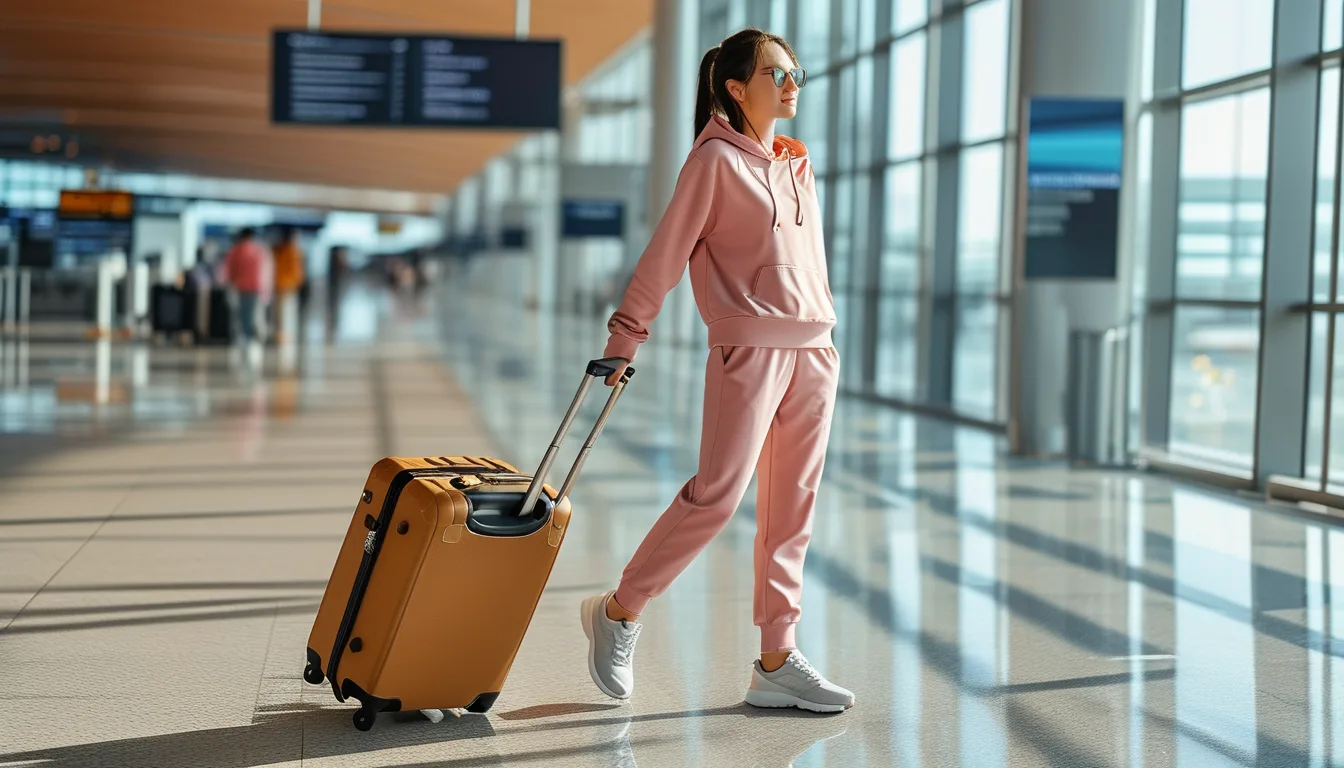
Quick Answer: Merino wool and modal are the two best long-haul fabrics because they resist odour and wrinkles while staying comfortable across a 20-degree temperature swing. Cotton is comfortable until it gets damp and then stays damp. Polyester holds odour badly in dry cabin air, and untreated denim is the worst single choice for a ten-hour seat. Aim for a merino or modal base with a light knit layer over it.
You can plan the layers perfectly and still land feeling like you have been wearing the same clothes for two days. Which, technically, you have - and the fabric is what decides how that feels.
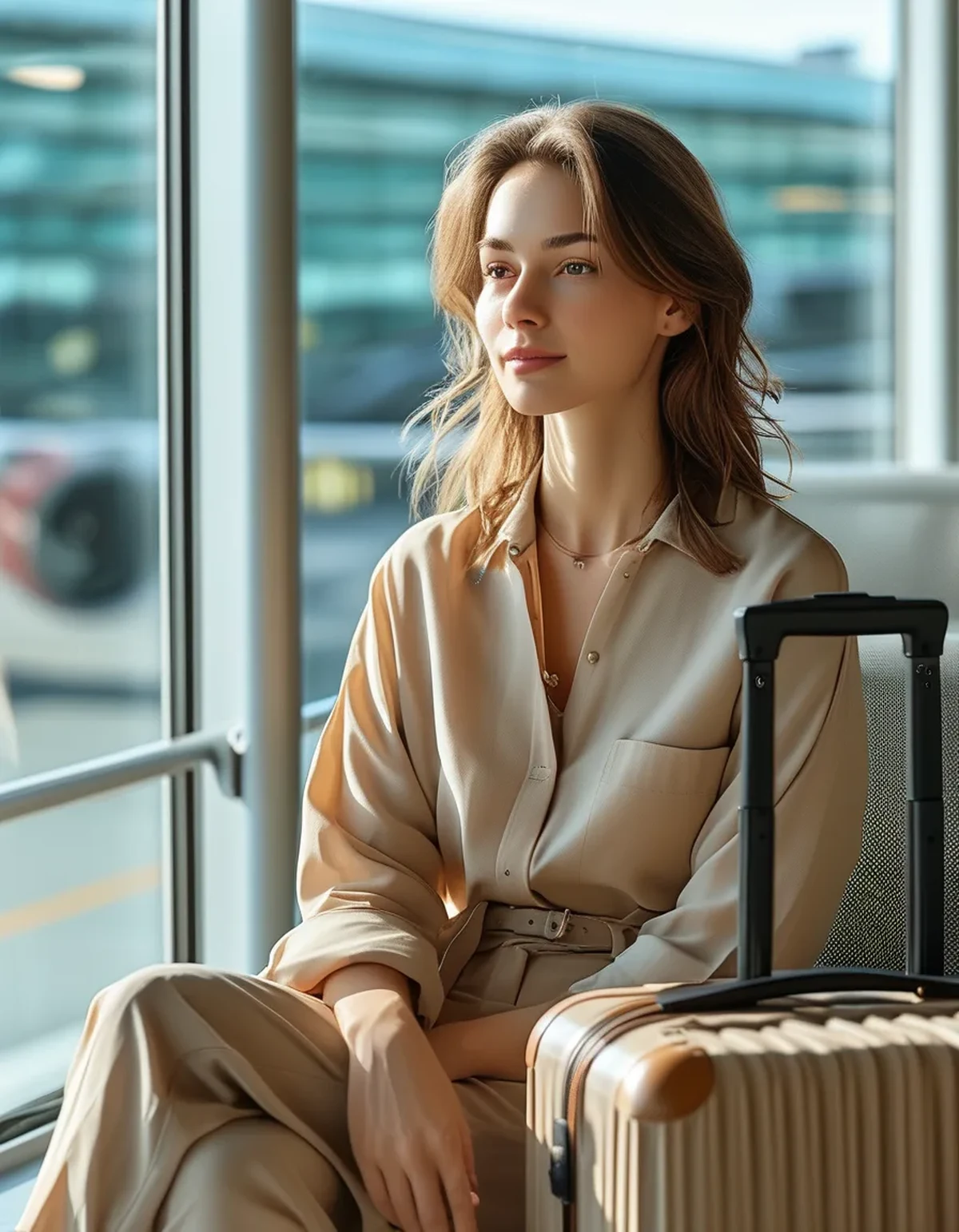
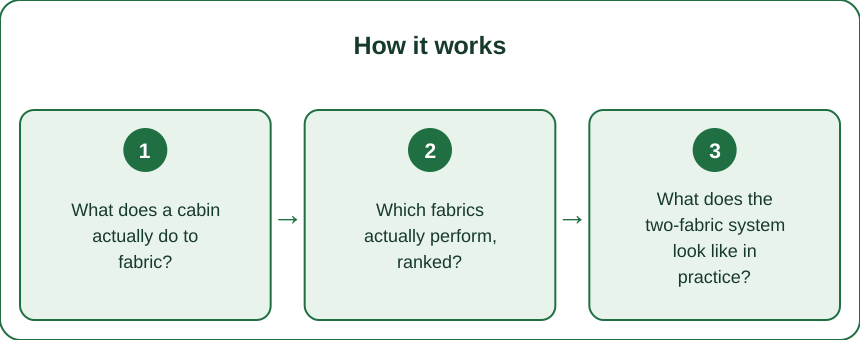
What does a cabin actually do to fabric?
A long-haul cabin is a strange environment and it puts three specific stresses on what you are wearing.
Very low humidity. Cabin air typically sits around 10 to 20 percent relative humidity, which is drier than most deserts. Dry air pulls moisture out of skin and out of natural fibres, and it concentrates odour compounds rather than dispersing them.
A wide temperature swing. You might board in a 30-degree terminal, sit in a cabin held around 22 to 24 degrees, feel cold near a window at cruise, and land somewhere entirely different. Your outfit has to work across that whole range without changing.
Ten hours of continuous compression. Fabric pressed between you and a seat for that long creases along fixed lines, and any fibre with poor recovery keeps those creases.
So the fabric requirements are quite specific:
- Thermal range - comfortable across roughly ten degrees
- Moisture management - handles light sweat in the terminal without staying wet
- Odour resistance - because dry air makes this worse, not better
- Wrinkle recovery - creases that fall out rather than set
Almost no single fabric does all four, which is why the answer is a two-fabric system rather than one perfect garment.
Which fabrics actually perform, ranked?
Merino wool - the best overall. Fine merino, around 150 to 200gsm for a base layer, does something no synthetic manages: it regulates across a wide temperature range, absorbs a substantial amount of moisture vapour without feeling wet, and resists odour genuinely well. Its natural crimp also means creases fall out while you walk. The catch is price and, for some people, next-to-skin feel - look for 17.5 micron or finer if you have found wool itchy before.
Modal and TENCEL-type fibres - the comfort pick. Regenerated cellulose fibres drape beautifully, feel cool against skin, and resist wrinkles far better than cotton. Excellent for a long-haul top or wide trousers. They handle moisture better than cotton but not as well as merino.
Cotton jersey - comfortable and then not. Cotton absorbs moisture readily and then holds it, so a shirt damp from the terminal stays damp in a cool cabin, which is where the shivering-at-cruise feeling comes from. Fine as a mid layer, poor as a next-to-skin base on a long flight.
Polyester - the odour problem. Technically good at moisture transport and drying, but polyester holds odour compounds in a way that natural fibres do not, and dry cabin air makes that more noticeable. Acceptable in a blend, poor as a whole outfit.
Denim - the one to avoid. Rigid, poor thermal range, creases hard behind the knee and at the hip, and a stiff waistband against a reclined seat for ten hours. If you must wear jeans, choose a high-elastane pair with a soft waistband.
What does the two-fabric system look like in practice?
One fabric next to skin, one layer over it, and nothing that requires a decision mid-flight.
Base - merino or modal. A long-sleeve merino tee or a modal-blend top. This is the layer doing the temperature and odour work, so it is where the spend belongs.
Bottom - a soft knit with real stretch. Ponte, thick modal jersey, or a travel-weight knit trouser with at least 5 percent elastane. Wide or straight is more comfortable than fitted at the knee, because a fitted knee creases and restricts across a long sit.
Over-layer - a light knit or fleece you can bunch up. It doubles as a pillow, which is worth more than it sounds at hour six. Avoid anything structured or lined; it will not compress and it will crease.
Socks - merino, every time. Feet swell in flight and merino handles the moisture and odour better than cotton by a wide margin. Bring a fresh pair for landing and change in the last hour - the single highest-return thing you can do to feel human on arrival.
What to leave out: anything with a stiff waistband, anything requiring a belt, structured blazers, silk that shows water marks, and light colours on the seat-facing surfaces. Ten hours against upholstery is not kind to pale trousers.
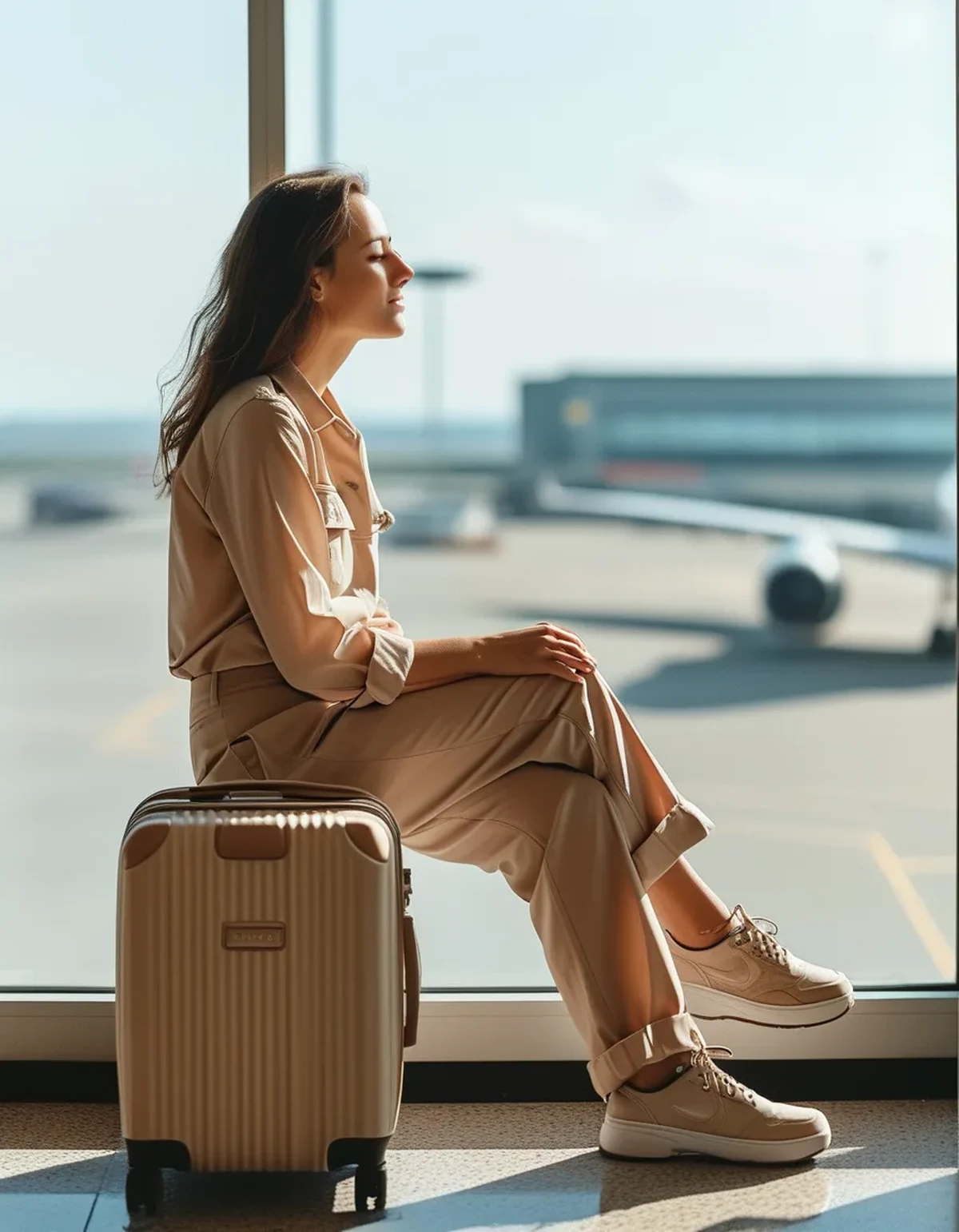
Myth vs Fact: Long-Haul Fabric Choices
Myth: Natural fibres are always more comfortable for flying. Fact: Merino is excellent, cotton is mediocre for exactly the reason people assume it is good - it absorbs and holds moisture. Comfort on a long flight is about moisture management more than fibre origin.
Myth: Wool is too warm for a flight. Fact: Fine merino works as well when it is warm as when it is cool, because it manages moisture vapour rather than just trapping air. A 150gsm merino tee is comfortable in a warm terminal and a cool cabin, which is the whole point.
Myth: Compression leggings are the ideal flight bottom. Fact: Graduated compression socks have reasonable support for circulation on long flights. Tight non-graduated leggings are a different thing, and a very tight waistband for ten hours is uncomfortable and can worsen reflux and bloating. Choose soft and stretchy over tight.
Myth: Everything wrinkles anyway, so it does not matter. Fact: Wrinkle recovery varies enormously. Merino and modal fall out while you walk to baggage reclaim; linen and cotton do not. If you have a meeting on arrival, this is the difference between changing and not.
Myth: Polyester activewear is the easy answer because it is designed for sweat. Fact: It is designed for sweat you then wash out. Ten hours in dry air with no wash cycle is the scenario polyester handles worst, and it is why the same leggings feel fine after the gym and unpleasant after a flight.
How do you handle the terminal-to-cabin swing?
The swing is the actual problem, and a system beats a single perfect garment.
Board slightly cool rather than perfectly comfortable. Terminals in August are warm and the cabin will be cooler at cruise. If you are exactly comfortable at the gate you will be cold two hours in.
Keep the over-layer accessible, not in the overhead. It goes under the seat in front or in the seat pocket. A layer you cannot reach without standing up is a layer you will not use.
Change socks and shoes for landing. Feet swell measurably in flight - this is why your shoes feel tight on arrival. Wear a shoe with some room or a lace you can loosen, and swap to fresh socks before descent.
Bring one fresh base layer in the personal item on flights over eight hours. Changing the top nearest your skin in the last hour resets how you feel more effectively than any other trick, and it takes two minutes.
Skip the fabrics that need care. Anything that requires steaming, shows water marks, or must not be sat on for long periods is the wrong choice regardless of how good it looks at the gate.
A note on circulation: on flights over four hours, move your ankles regularly and stand when you can. If you have a history of blood clots, are pregnant, or have been advised about circulation risk, ask your doctor about graduated compression stockings before travelling. This is general information, not medical advice.
FAQ: Long-Haul Outfit Fabric Questions, Answered
Is merino worth the price for one or two flights a year?
A single merino tee earns its keep if you also use it for hiking, gym sessions, or multi-day trips where you rewear it. For flying alone, a modal blend gets you most of the comfort at a fraction of the cost.
Can I wear leggings on a long flight?
Yes, and plenty of people do comfortably. Choose a soft, wide waistband, a mid-weight fabric rather than sheer compression, and a length that does not bind at the ankle when your feet swell.
What colours travel best?
Mid-tone neutrals. Black shows lint and pet hair badly in cabin light, and pale colours show everything the seat has to offer. Charcoal, navy, and mid-grey hide the most across a long day.
Does anything actually stop the clothes-smell after a long flight?
Merino next to skin does most of the work, since it resists odour where synthetics concentrate it. A fresh base layer and fresh socks in the last hour handles the rest.
TL;DR:
- Cabin air sits around 10 to 20 percent humidity, which concentrates odour and dries skin
- Merino and modal are the two best long-haul fabrics; cotton holds damp and polyester holds smell
- Avoid denim and stiff waistbands - ten hours of compression sets creases and restricts
- Board slightly cool, keep the over-layer under the seat, and swap socks before landing
- Mid-tone neutrals hide both lint and seat marks better than black or pale colours
The long-haul outfit problem is not really a styling problem. It is a materials problem with a temperature swing bolted on, and once the base layer is right almost everything else stops mattering.
See It in Motion
Seen here: High Waist Embossed Yoga Leggings with Side Pockets — shop it on bubblelime.com
Keep Reading
This article is for general informational and styling purposes only. Fit, sizing, and product availability may vary.